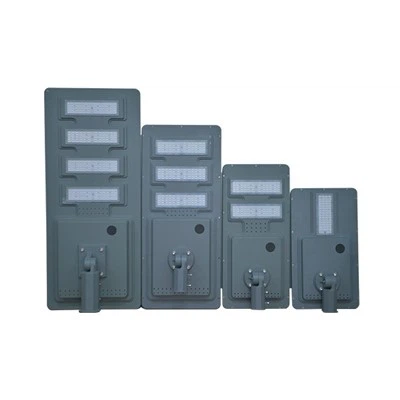
By 2026, Europe will have a relatively large installation base of intelligent street lamps
The report concludes that LED lighting is now the standard alternative to traditional street lighting in most cities around the world and that smart controls are becoming more common and increasingly deployed with LED lighting.
Many cities around the world could potentially replace existing street lights with new and more efficient lighting in the longer term, not just to meet energy efficiency standards, but also to make it economically feasible. LED lighting is clearly the wisest choice, but the new Navigant report says smart controls currently account for just 2 percent of street light installation base in 2017 and are underutilized.
That could change, according to the report, with the installed base of smart street lights projected to grow from 6.3 million today to a staggering 73 million by 2026.

"As leds become the street lighting upgrade technology, the next frontier in smart street lighting networks is to rapidly increase the deployment of control technology and transform it into an innovative platform for smart cities." "Sensors and other technologies are being added to smart street lighting networks to provide a host of new urban services, including gunshot detection, air quality monitoring, electric vehicle charging, traffic management and smart parking," said Ryan Citron, an analyst with Navigant Research.
Obviously, there are many driving factors behind the current intelligent street lamp economy. LED lighting is generally accepted due to significant cost reductions and improved lighting quality. Leds can now provide the necessary yellow light for street lamps. A year ago, Cree introduced a new RSW LED street lighting system, the first of a new generation of lighting that not only improves energy efficiency, but also provides the warm color temperature most needed for street lighting.
At the time, Norbert Hiller, Executive Vice President of Cree Lighting, said, "Cree is committed to providing a better lighting experience by continuing to develop the true potential of LED technology. Cree's RSW series ensures that residents no longer have to face harsh street lights at night, saving the city energy and reducing complaints about harsh street lighting."
The Navigant report explains that installing smart controls at the same time as deploying new LED lighting is the cheapest way to do so, which explains why adoption of smart controls is still lagging. Smart street lighting could be an important tool for cities to adapt to future energy efficiency requirements, but there are hurdles. Navigant Research highlighted these concerns: "Alleviating citizen concerns about surveillance and privacy intrusions, the continued legacy street lamp ownership model in some jurisdictions, the complexity of application projects and the need to raise upfront capital are some of the challenges facing the smart street lamp market."
Navigant predicts that Europe will have a larger installed base of smart street lights by 2026, followed by Asia Pacific and North America.